Lectio Divina: 4 Steps to Sacred Reading (Beginners Guide)
TL;DR
Discover lectio divina, the ancient 4-step practice of sacred reading. Learn how to read, reflect, respond, and rest with Scripture.
Lectio Divina: A Beginner Guide to Sacred Scripture Reading
Have you ever read a Bible passage and felt like the words just washed over you without really sinking in? You're not alone. Many of us rush through our daily reading, eager to check it off the list, yet longing for something deeper. That's exactly where lectio divina comes in — an ancient, meditative approach to Scripture that invites you to slow down and truly listen to God's Word.
The good news? You don't need any special training, and you certainly don't need to be a scholar. Lectio divina is for everyone — no matter where you are on your faith journey.
What Is Lectio Divina?
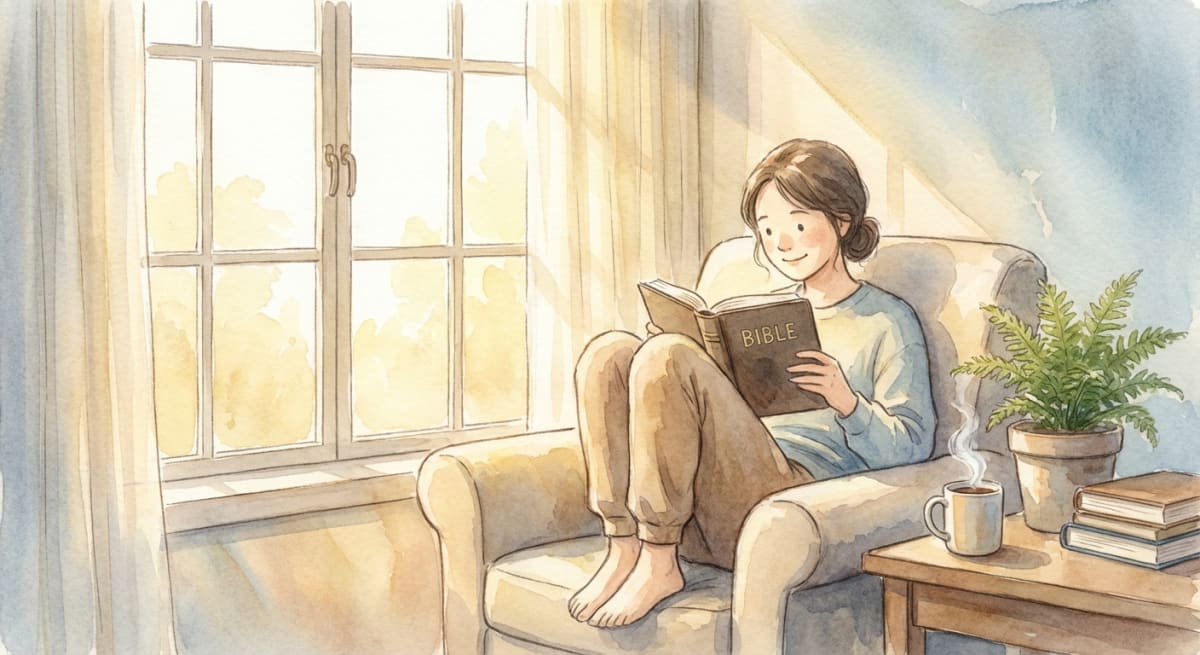
Lectio divina is a Latin phrase that simply means "divine reading" or "sacred reading." It's a slow, prayerful way of engaging with Scripture — less like studying a textbook and more like savoring a heartfelt letter from someone who loves you deeply.
Unlike regular Bible reading where you might aim to cover a certain number of chapters, lectio divina invites you to focus on a short passage — sometimes just a few verses — and let God speak to you through those words. It's about quality over quantity, presence over progress.
Think of it this way: regular reading is like driving through a beautiful countryside at highway speed. Lectio divina is like parking the car, stepping out, and breathing in the fresh air.
A Brief History of Sacred Reading
Lectio divina has roots stretching back to the earliest days of Christianity. Early church father Origen (around 185–254 AD) encouraged Christians to read Scripture prayerfully and attentively. The Desert Fathers and Mothers of the 3rd and 4th centuries practiced meditative Scripture reading as a core part of their spiritual lives.
In the 6th century, St. Benedict made lectio divina a cornerstone of monastic life, requiring his monks to set aside dedicated time each day for sacred reading. It became woven into the daily rhythm of Benedictine communities.
Then, in the 12th century, a Carthusian monk named Guigo II formalized what many had been practicing informally. He described four distinct steps — like rungs on a ladder leading toward God. These four steps remain the heart of lectio divina today.
Here's what's beautiful: this practice belongs to all Christians, not just one tradition. Whether you attend a small community church or a large congregation, lectio divina can enrich your walk with God.
The Four Lectio Divina Steps
Each step flows naturally into the next, like a gentle conversation between you and God. There's no rush — take as much time as you need.
1. Lectio (Read)
The first step is simply to read. Choose a short passage — perhaps 5 to 10 verses — and read it slowly. Then read it again. And maybe once more.
You're not reading for information. You're reading for encounter. Pay attention to any word, phrase, or image that catches your heart. Maybe a single word seems to shimmer. Maybe a phrase tugs at something deep inside you. That's the Spirit gently drawing your attention.
Tips for this step:
- Read aloud if it helps you slow down
- Try different Bible translations for fresh perspective
- Don't worry about understanding everything — just notice what stands out
2. Meditatio (Reflect)
Now, gently shift from reading to reflecting. Take the word or phrase that caught your attention and sit with it. Turn it over in your mind. Wonder about it.
Ask yourself:
- Why did this particular word or phrase stand out to me?
- What might God be saying through these words — right now, in my life?
- How does this connect to what I'm going through today?
This isn't academic analysis. It's more like pondering — the way Mary "treasured all these things and pondered them in her heart" (Luke 2:19). Give yourself permission to simply wonder.

3. Oratio (Respond)
Reflection naturally leads to response. This is where your reading becomes a lectio divina prayer — a heartfelt conversation with God about what you've been pondering.
There's no formula here. Your prayer might be:
- Gratitude: "Thank You for reminding me that You're with me."
- A request: "Help me trust You more in this situation."
- Honesty: "I'm struggling with this, Lord. I need Your help."
- Surrender: "I release my worry about this to You."
Speak from the heart. God isn't looking for polished words — He's looking for an honest heart.
4. Contemplatio (Rest)
The final step is the most beautiful — and often the most challenging for our busy minds. Rest in God's presence. Stop talking, stop thinking, and simply be with God.
This is contemplative prayer at its most simple. You don't need to do anything. Just rest, the way a child rests in a parent's arms. If your mind wanders (and it will!), gently return your attention to God's presence. No guilt, no frustration — just come back.
Even a few minutes of contemplatio can leave you feeling refreshed and connected in a way that's hard to describe but deeply real.
A Lectio Divina Example: Walking Through Psalm 23
Let's practice together with one of the most beloved passages in all of Scripture.
Lectio (Read): Read Psalm 23:1-3 slowly:
"The Lord is my shepherd; I shall not want. He makes me lie down in green pastures. He leads me beside still waters. He restores my soul."
Read it again. What word or phrase catches your attention? Maybe it's "restores my soul." Maybe it's "still waters." Maybe it's simply "my shepherd."
Meditatio (Reflect): Let's say "He restores my soul" stood out. Sit with that. What does restoration feel like? Where in your life do you need restoring right now? Picture God gently tending to your weary spirit the way a shepherd tends to a tired lamb.
Oratio (Respond): Perhaps you pray: "Lord, I've been running on empty. Thank You for the promise that You restore my soul. Help me to slow down and let You do that restoring work in me."
Contemplatio (Rest): Now simply rest in the image of those still waters. Breathe slowly. Let yourself be led to that quiet place. Stay as long as feels right.
See? Nothing complicated. Just you and God, taking your time together.
Lectio Divina vs Regular Bible Reading
Both are valuable! They serve different purposes, and many people find the richest spiritual life includes both. Here's how they compare:
| Lectio Divina | Regular Bible Reading | |
|---|---|---|
| Goal | Deep encounter with God | Comprehensive Scripture knowledge |
| Pace | Very slow, meditative | Steady, sometimes brisk |
| Amount | A few verses | One or more chapters |
| Focus | What God is saying to you | What the text means overall |
| Approach | Prayerful, contemplative | Informational, devotional |
| Outcome | Spiritual intimacy | Biblical literacy |
The beauty is that you don't have to choose. You might follow a structured Bible reading plan for your daily reading and set aside time once or twice a week for lectio divina with a passage that moved you.
How to Start Practicing Lectio Divina Today
Ready to try it? Here's a simple way to begin:
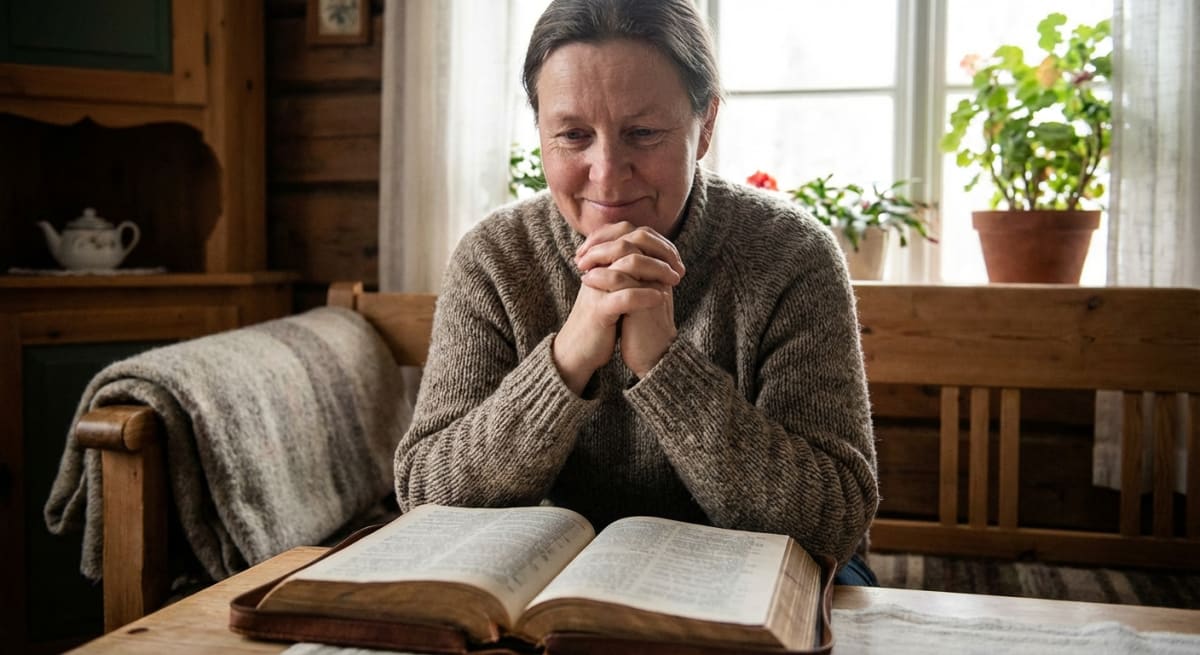
- Choose a quiet spot. Somewhere you won't be interrupted for 15–20 minutes. A cozy chair, a park bench, your kitchen table before the house wakes up — any peaceful place works.
- Select a short passage. The Psalms and Gospels are perfect starting points. Try Psalm 46:10, John 15:1-5, or Matthew 11:28-30.
- Set a gentle timer. This removes the distraction of clock-watching. Start with 15 minutes and adjust from there.
- Move through the four steps. Read, reflect, respond, rest. Don't rush. If you spend the whole time on just one or two steps, that's perfectly fine.
- Keep a journal nearby. Jot down words or thoughts that come to you. Over time, you'll see beautiful patterns in how God speaks to you.
- Be patient with yourself. Your mind will wander. You might feel like you're "doing it wrong." You're not! Learning to read the Bible in any new way takes practice, and God meets you right where you are.
Pro tip: If you're already doing a morning devotional, try adding lectio divina to your routine once a week. You might take a verse from that day's reading and spend a few extra minutes savoring it.
Pairing Lectio Divina with a Reading Plan
Here's something many people find helpful: combine your meditative Bible reading with a structured reading plan.
A daily Bible reading plan gives you breadth — it helps you journey through the whole Bible over the course of a year. Lectio divina gives you depth — it helps you go deep with individual passages.
Together, they create a balanced rhythm of reading that covers both knowledge and intimacy. You might read your daily plan in the morning and practice lectio divina in the evening, or set aside one day a week for deeper meditation on a passage that moved you during the week.
BibleMate's free reading plan pairs beautifully with lectio divina. As you read through each day's passages, note any verse that tugs at your heart — then return to it later for sacred reading.
Frequently Asked Questions
How long should a lectio divina session last?
Most people find that 15–20 minutes is a wonderful starting point. Some sessions may be shorter, others longer — and that's perfectly okay. There's no minimum or maximum. Even five minutes of slow, prayerful reading is more valuable than you might think. As you grow more comfortable with the practice, you may naturally find yourself wanting to linger longer.
Which Bible passages work best for lectio divina?
The Psalms and the Gospels are the most popular starting points because they're rich with imagery and personal language. Try Psalm 23, Psalm 139, John 15:1-11, or Matthew 6:25-34. That said, any Scripture passage can become a source of sacred reading. Wherever God's Word speaks to your heart — that's the right passage.
Can I do lectio divina wrong?
Not really! If you're reading Scripture slowly and prayerfully, you're already doing it. Some days will feel deeply meaningful, and other days might feel flat — that's completely normal. The point isn't to achieve a spiritual experience every time. The point is to show up, open God's Word, and be present. God does the rest.
Is lectio divina only for Catholics?
Not at all! While lectio divina has deep roots in Catholic monastic tradition, it belongs to all of Christianity. Christians from every denomination — Protestant, Orthodox, Catholic, and non-denominational — practice and benefit from sacred reading. At its heart, it's simply reading the Bible slowly and prayerfully. That's something every Christian can embrace.
Can I practice lectio divina in a group?
Absolutely! Group lectio divina is a beautiful experience. One person reads the passage aloud while others listen. After each reading, the group pauses for silent reflection. Members can share what word or phrase spoke to them. It creates a sense of community and often reveals how God speaks uniquely to each person through the same passage.
How is lectio divina different from Bible study?
Bible study typically focuses on understanding the historical context, meaning, and application of a passage using tools like commentaries and cross-references. Lectio divina focuses on personal encounter — listening for what God is saying to you right now. Both are valuable! A solid Bible study method builds your knowledge, while lectio divina nurtures your heart. Many find using both creates the richest spiritual life.
Start Your Sacred Reading Journey
Lectio divina is one of the most beautiful gifts from our Christian heritage — a simple, accessible practice that can transform the way you experience God's Word. You don't need special training, you don't need to be an expert, and you certainly don't need to be perfect at it.
All you need is an open Bible, an open heart, and a willingness to slow down.
Why not try it today? Pick a passage — even just a single verse — and give yourself permission to read it slowly, reflect on it deeply, respond to it honestly, and rest in it peacefully.
And if you're looking for a structured way to read through the entire Bible this year, check out BibleMate's free reading plan. It's a wonderful companion to your lectio divina practice — giving you daily passages to read through while you choose your favorites for deeper, sacred reading.
One day at a time. One verse at a time. You can do this. 💛
Related on BibleMate
Keep exploring related topics, plans, and lists.
Get the BibleMate App
Take your Bible reading anywhere. Track progress, build streaks, and stay on plan — all from your phone.
Ready to start your Bible reading journey?
Read the entire Bible in one year with daily guidance.