Family Devotional: How to Start (2026 Guide)
TL;DR
Start meaningful family Bible time together with this practical guide. Simple steps, age-appropriate ideas, and tips to make devotions work for your family.
Family Devotional: How to Start Bible Time Together (Even If It Feels Awkward)
Want to start reading the Bible with your family but don't know how? You're not alone. Many parents feel intimidated by the idea of family devotions.
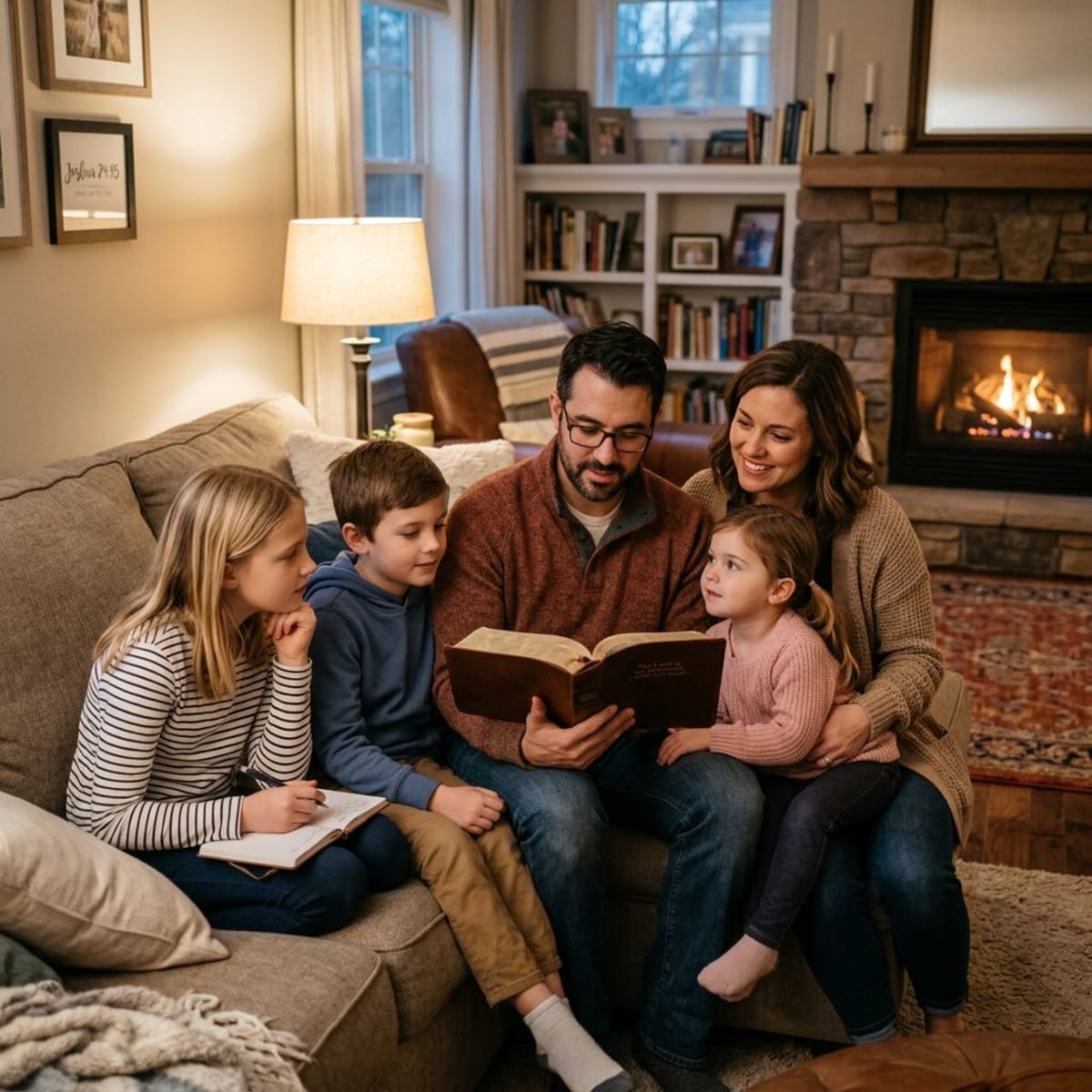
Good news: family devotional time doesn't need to be perfect, long, or complicated. It just needs to happen. Even 5 minutes together in God's Word can make a huge difference in your kids' faith.
Let's make this simple and doable for your family.
What Is a Family Devotional?
A family devotional is just spending time together reading the Bible and praying. That's it.
It's not:
- A mini church service in your living room
- Perfect kids sitting quietly for 30 minutes
- Deep theological discussions
- Something you need to be an expert to lead
It is:
- Simple Bible reading together
- Talking about what you read
- Praying as a family
- Building positive memories around God's Word
The goal isn't to create little theologians. It's to show your kids that God's Word matters and that faith is part of everyday life.
Why Family Bible Time Matters
When you read the Bible together as a family, amazing things happen:
For Your Kids:
- They see that you value God's Word
- They learn Bible stories in a safe, loving environment
- They feel free to ask questions about faith
- They build positive associations with the Bible
For Your Family:
- You create deeper bonds through shared faith
- You have natural opportunities to discuss values
- You build traditions that last for generations
- You model what it looks like to seek God together
For You:
- You grow in your own faith as you share it
- You see the Bible through fresh eyes (kids ask great questions!)
- You build confidence in talking about God
- You create precious memories
Research shows that kids who grow up in families that read the Bible together have stronger faith as adults. You're not just reading stories - you're building your children's spiritual foundation.
Getting Started: Keep It Simple
The biggest mistake families make is starting too big. Here's how to start small and succeed:
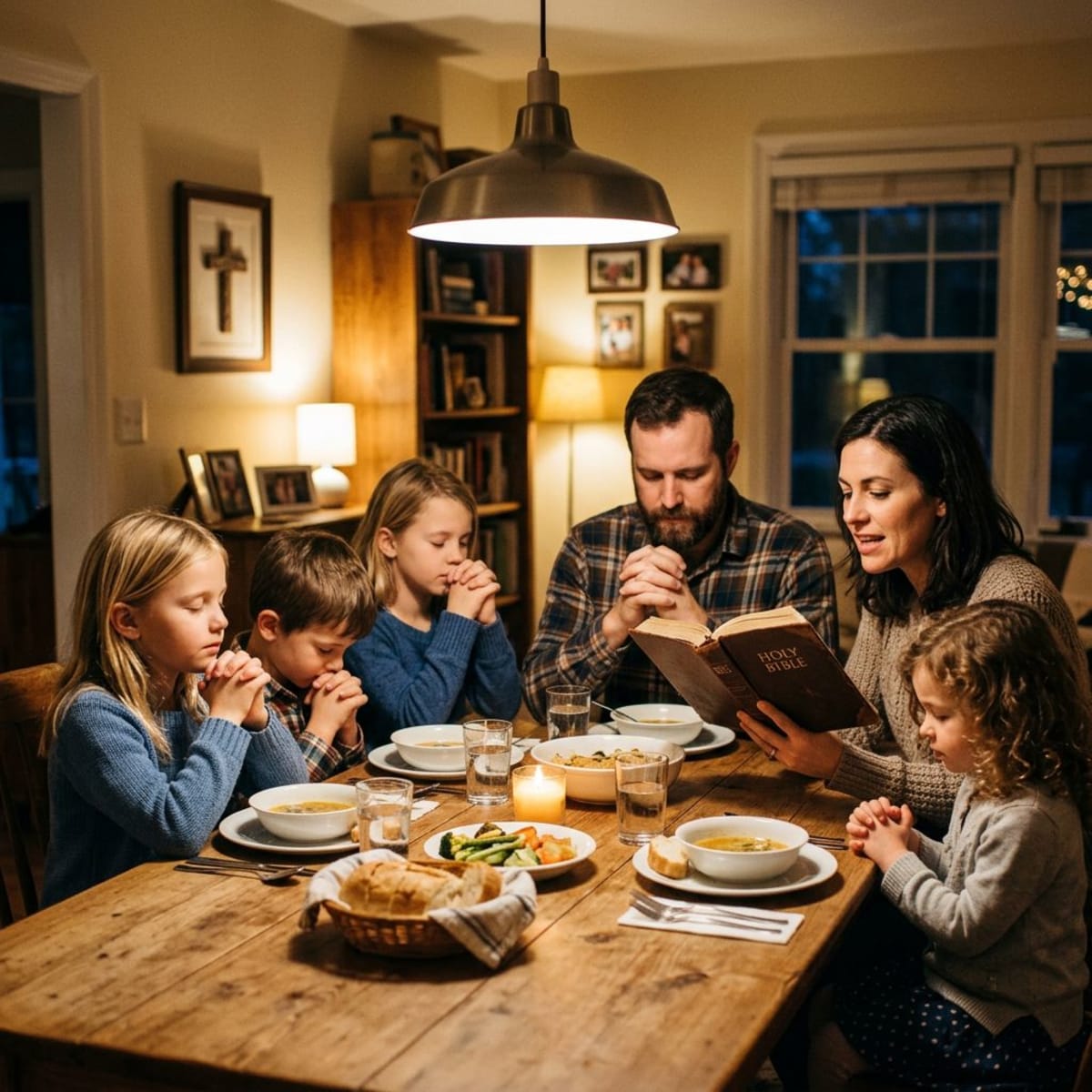
Step 1: Pick a Time That Actually Works
Don't pick the "perfect" time. Pick a time that works for your real family with your real schedule.
Good options:
- After dinner - everyone's already together
- Bedtime - replace one secular story with a Bible story
- Weekend mornings - more relaxed pace
- In the car - captive audience (kids can't run away!)
Start with just one day a week if daily feels overwhelming. Saturday morning or Sunday evening work great for many families.
Step 2: Start with 5 Minutes
Seriously. Five minutes. Maybe less if you have toddlers.
Simple structure:
- 2 minutes: Read a short Bible story
- 2 minutes: Ask one simple question
- 1 minute: Pray together
That's it. Don't try to do more until this feels natural.
Step 3: Pick the Right Bible Material
Ages 2-6: Use a children's Bible with big pictures
- Jesus Storybook Bible (connects everything to Jesus)
- Beginner's Bible (simple language, colorful pictures)
- Any children's Bible with stories they can understand
Ages 7-12: Children's study Bible or easy adult Bible
- Adventure Bible (has maps and fun facts)
- NIrV (New International Reader's Version)
- NLT (New Living Translation)
Teenagers: Regular Bible they can read themselves
- NIV (New International Version)
- ESV (English Standard Version)
- NLT (New Living Translation)
Mixed ages: Aim for the youngest and adapt up
Step 4: Ask Simple Questions
Don't overthink this. Simple questions work great:
For younger kids:
- "What happened in the story?"
- "Who were the people in the story?"
- "How do you think [character] felt?"
- "What did you learn about God?"
For older kids:
- "What stood out to you in this passage?"
- "How does this apply to our lives?"
- "What does this teach us about God's character?"
- "How can we live this out this week?"
Important: It's okay if they give "wrong" answers or no answers. The goal is conversation, not a test.
Step 5: Pray Together Simply
Keep family prayer simple and natural:
Easy prayer starters:
- Each person shares one thing they're thankful for
- Pray for family members or friends by name
- Ask God to help your family live out what you just read
- Let kids pray in their own words (don't correct their theology!)
Sample prayer: "God, thank you for [something from today]. Please help our family [something from the Bible reading]. Help us love you and love others. Amen."
Making It Work for Different Ages
Toddlers and Preschoolers (Ages 2-5)
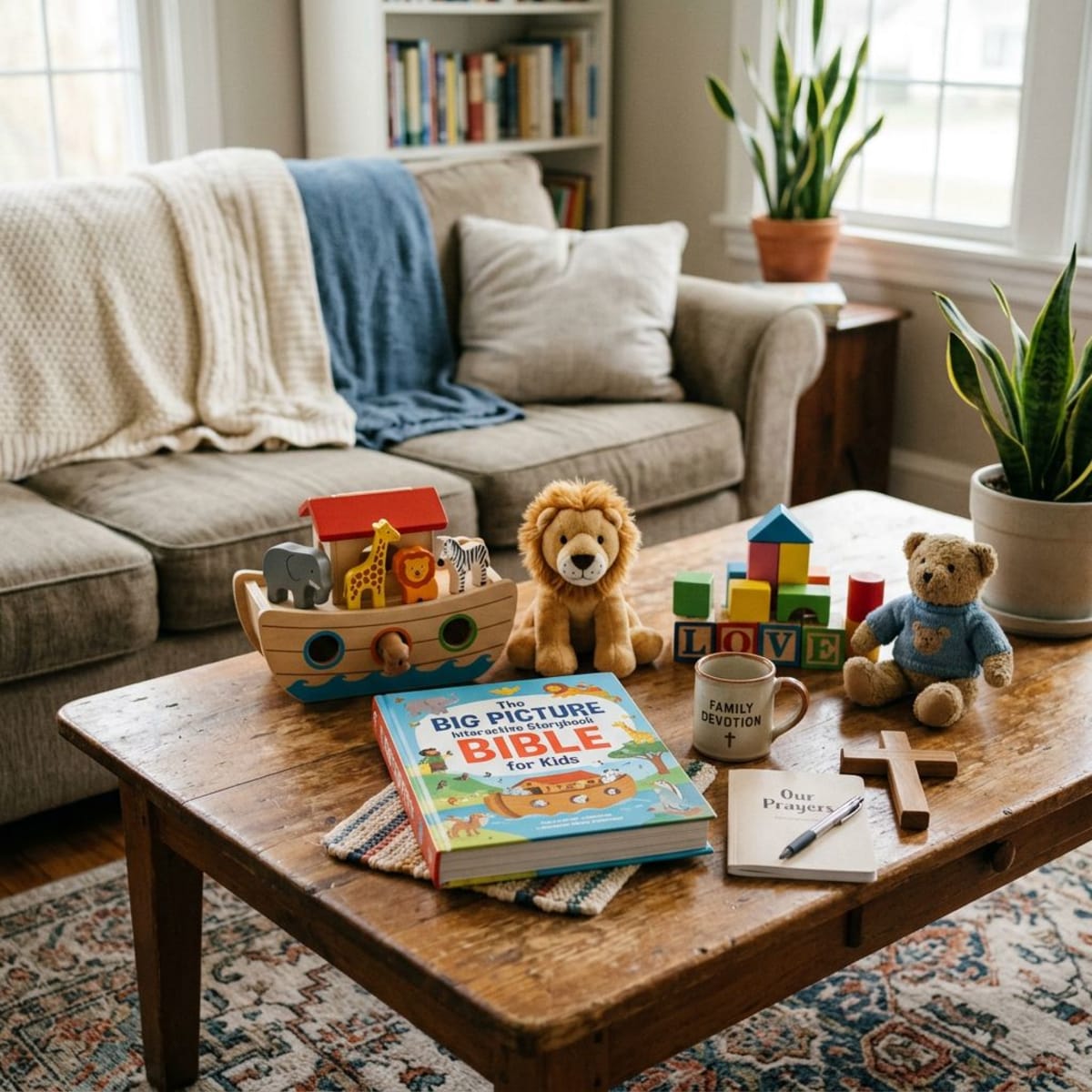
Keep it super short: 3-5 minutes maximum
Make it interactive:
- Let them turn pages
- Ask them to point to things in pictures
- Act out simple stories (march around Jericho, pretend to be animals on Noah's ark)
- Use hand motions for prayers
Best stories: Creation, Noah, Daniel, Jesus loves children, Christmas, Easter
Don't expect: Perfect attention or deep understanding. At this age, you're just building positive associations with the Bible.
Elementary Kids (Ages 6-11)
Expand to 5-10 minutes
Get them involved:
- Let them take turns reading (if they can)
- Ask them to retell the story
- Connect stories to their daily life ("How can you show kindness like the Good Samaritan at school?")
- Let them ask questions, even hard ones
Great topics: Friendship, honesty, forgiveness, helping others, trusting God
Teenagers (Ages 12+)
Allow 10-15 minutes for discussion
Make it relevant:
- Study passages about topics they're facing (identity, relationships, future)
- Encourage honest questions and even doubts
- Share how Bible principles apply to your own adult struggles
- Respect their growing independence while keeping them involved
Remember: They might roll their eyes sometimes. Keep inviting them anyway. Your consistency matters more than their enthusiasm.
Mixed Ages (The Reality for Most Families)
- Aim for the youngest child's attention span
- Give different jobs to different ages (older kids read, younger kids hold the Bible)
- Ask different level questions to different kids about the same story
- Don't worry if every devotion doesn't perfectly fit every age
Handling Common Problems
"My Kids Won't Sit Still"
Solutions:
- Make it shorter (maybe 3 minutes is your max right now)
- Let them move while you read
- Use props or pictures to keep their attention
- Remember: wiggly kids can still be listening kids
"We Keep Forgetting"
Solutions:
- Set a phone alarm
- Tie it to something you already do (right after dinner, before bedtime story)
- Start with just once a week instead of daily
- Put the Bible somewhere visible so you remember
"My Kids Ask Questions I Can't Answer"
This is great! When you don't know something:
- Say "That's a great question! Let's look it up together"
- Write down the question and research it later
- Ask your pastor or a Christian friend
- Remember: saying "I don't know" teaches humility
"It Feels Awkward"
This is normal! Almost every family feels this way at first.
Tips:
- Start even smaller (just read one verse and pray)
- Focus on building the habit, not perfect execution
- Share your own questions and struggles about faith
- Give it at least a month before deciding if it's working
"My Teenager Is Resistant"
Keep going anyway. Here's why:
- They're watching even when they seem uninterested
- Your consistency shows them faith matters to you
- They need to see you prioritize God's Word
- Many resistant teens later say family devotions meant a lot to them
What to do:
- Keep inviting without forcing
- Make it discussion-based instead of lecture-based
- Respect their questions and doubts
- Show grace when they're difficult
Making It Last
Start Small and Stay Consistent
Better to read the Bible together for 3 minutes every Sunday for a year than to plan 30-minute devotions that only happen twice.
Be Flexible
Your approach will change as your kids grow. What works for toddlers won't work for teenagers. Adjust as needed.
Focus on Relationships, Not Information
The goal isn't to cover a certain amount of content. It's to create positive experiences around God's Word and build family bonds.
Don't Quit When It's Hard
Some devotions will be beautiful moments of spiritual connection. Others will be interrupted by arguments, meltdowns, or distractions. Both are normal. Keep going.
Make It Pleasant
- Keep it short enough that no one dreads it
- Celebrate participation instead of perfecting theology
- Occasionally add special treats or activities
- Focus on love and connection
Simple Ideas to Try
For Any Age
- Read a Psalm and talk about what makes you thankful
- Read about Jesus healing someone and pray for people who are sick
- Read the Christmas or Easter story during those seasons
- Look at parables and talk about what they mean
Fun Activities
- Act out Bible stories
- Draw pictures of what you read
- Make simple crafts related to the story
- Sing simple Bible songs together
- Create a family prayer journal
Quick Options for Busy Days
- Read just one verse over breakfast
- Pray together in the car
- Share one thing you're thankful for at dinner
- Listen to a Bible story audio while kids get ready for bed
Recommended Resources
Great Beginner Bibles
- Jesus Storybook Bible (ages 3-8) - connects every story to Jesus
- Adventure Bible (ages 6-12) - includes maps and fun facts
- NLT Bible (ages 10+) - easy to understand language
Helpful Apps
- YouVersion Bible App - has audio and children's versions
- Bible App for Kids - interactive stories with games and activities
Simple Devotional Books
- Long Story Short by Marty Machowski - walks through the whole Bible story
- Leading Little Ones to God - classic resource for young children
Getting Started This Week
Here's your simple action plan:
- Pick one day this week to try family devotions (don't commit to daily yet)
- Choose a time when your family is already together and not rushed
- Get a simple children's Bible or download the Bible App for Kids
- Plan for 5 minutes maximum your first time
- Start with a story your kids already know (Noah, Daniel, Jesus birth)
- Ask one simple question about the story
- Pray for one minute - maybe just thank God for your family
- Try again next week - same day, same time
Remember: The goal isn't perfection. It's building a habit of encountering God's Word together as a family.
Common Questions
What if my spouse isn't interested?
Start by yourself with the kids. Your spouse might join later when they see the positive effects. Don't pressure - just model.
Should we make kids participate?
Require presence and respectful behavior, but don't force enthusiasm. Most kids naturally participate when the atmosphere is positive.
What if we have different ages?
Aim for the youngest child's attention span and give different age-appropriate jobs to different kids.
Is it okay to use devotional books instead of the Bible?
Devotional books can be helpful, but don't completely replace actual Bible reading. Maybe alternate between the two.
What if my kids get bored?
Make it shorter, more interactive, or try a different time of day. Adjust until you find what works.
Start Today
Family devotions don't require perfect kids, perfect parents, or perfect circumstances. They just require a decision to start.
Your family's faith journey begins with one small step: opening God's Word together. It might feel awkward at first. That's normal. Keep going anyway.
Years from now, your kids won't remember every story you read or every prayer you prayed. But they'll remember that you made faith a priority. They'll remember feeling loved and safe while learning about God. They'll remember that their family was a place where God's Word mattered.
That's worth 5 minutes of your time.
Ready to start building stronger family faith habits? Start reading the Bible regularly yourself to build the foundation for leading your family well. When kids see parents valuing Scripture, they learn to value it too.
Related on BibleMate
Keep exploring related topics, plans, and lists.
Bible Verses About Work
Bible verses about work — finding purpose, diligence, and godly perspective in your career.
Bible Verses About Family
Bible verses about family — Scripture for building a strong, God-centered household.
Morning Bible Verses
Morning Bible verses — start your day with inspiring Scripture and God's promises.
Get the BibleMate App
Take your Bible reading anywhere. Track progress, build streaks, and stay on plan — all from your phone.
Ready to start your Bible reading journey?
Read the entire Bible in one year with daily guidance.