How to Do Devotions: A Complete Guide for Beginners (2026)
TL;DR
Learn how to do devotions with this simple step-by-step guide. Perfect for beginners who want to build a meaningful daily Bible habit.
How to Do Devotions: A Simple Guide That Actually Works
If you've ever wondered how to do devotions but felt unsure where to start, you're in good company. Millions of people want a deeper connection with God through Scripture but feel intimidated by the idea of a "quiet time." Here's the good news: devotions don't have to be complicated, lengthy, or perfect. They just need to be yours.
This guide will walk you through everything you need to begin — step by step, with zero pressure.
What Are Devotions, Exactly?
A daily devotion is simply a set-apart time when you connect with God through Scripture, prayer, and reflection. Think of it as a conversation with someone who already loves you completely.
Some people call it "quiet time," others say "personal devotions" or "devotional time." The name doesn't matter — what matters is showing up, even for a few minutes.
Devotions aren't about checking a box. They're about building a relationship. And like any relationship, consistency matters more than perfection.
Why Daily Devotions Matter
You might be thinking, "Can't I just pray throughout the day?" Absolutely — and you should! But setting aside dedicated time for a daily Bible devotional does something unique:
- It creates space to listen. When life gets noisy, devotions give you a moment to hear God's voice through His Word.
- It builds spiritual resilience. Regular time in Scripture helps you face challenges with greater peace and perspective.
- It deepens understanding. The Bible is rich and layered — daily reading helps you discover things you'd miss in a quick skim.
- It anchors your day. Starting or ending with devotions gives your whole day a sense of grounding.
You don't need to feel "spiritual enough" to begin. You just need to be willing.
How to Do Devotions: A Step-by-Step Guide
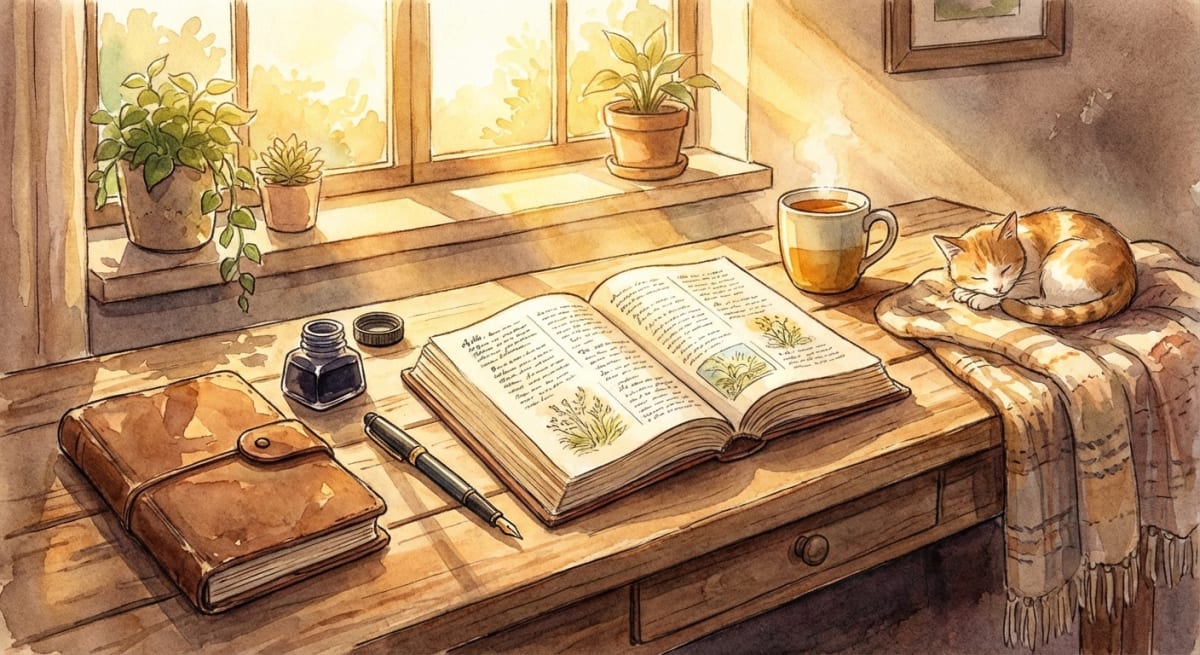
Step 1: Choose a Time That Works for You
There's no "right" time for personal devotions. Some people thrive with morning devotions, while others connect better in the evening.
Morning devotions work well if you:
- Want to start your day with intention
- Think clearly in the early hours
- Can wake up 15–20 minutes earlier
Evening devotions work well if you:
- Need time to wind down before bed
- Are NOT a morning person (and that's okay!)
- Want to reflect on your day
The best time is the time you'll actually keep. Start there.
Step 2: Find a Quiet Place
Your devotional time doesn't require a candlelit prayer room. A kitchen table, a parked car, or a park bench all work. The goal is to minimize distractions so you can focus.
A few tips:
- Put your phone on silent (or use it only for your Bible app)
- Let family members know this is your quiet time
- Keep it consistent — the same spot helps build the habit
Step 3: Start with Prayer
Before you read a single verse, take a moment to pray. It doesn't need to be long or formal. Something as simple as:
"God, I'm here. Open my heart to what you want to show me today."
This shifts your mindset from "task mode" to "listening mode." Prayer is how you invite God into your devotional time.
Step 4: Read Scripture

This is the heart of how to do a devotional. Don't try to read ten chapters — start small. A single psalm, a few verses from the Gospels, or a short passage is plenty.
Not sure where to begin? Here are some great starting points:
- Psalm 23 — God as your shepherd
- John 1:1–14 — The beginning of Jesus' story
- Philippians 4:4–9 — Finding peace
If you'd like more structure, a Bible reading plan can guide you through Scripture day by day. BibleMate's free reading plan breaks the entire Bible into manageable daily portions — no account required.
Step 5: Reflect and Journal
After reading, sit with what you've read for a moment. Ask yourself:
- What stood out to me? (A word, phrase, or idea)
- What does this tell me about God?
- How can I apply this today?
Writing your thoughts in a journal is powerful — but it's not required. Even thinking through these questions for two minutes makes a difference.
Step 6: Close with Prayer
End your devotional time by talking to God about what you've read. Thank Him for what you've learned. Ask for help applying it. Pray for the people on your heart.
Your closing prayer can be as short as one sentence:
"Thank you for this time, Lord. Help me carry what I've learned into my day."
That's it. That's a complete Bible devotion. Simple, meaningful, and entirely doable.
What to Read During Your Devotional Time
One of the biggest hurdles for beginners is deciding what to read. Here are a few approaches that work well:
Follow a reading plan. This is the easiest option because someone else has already mapped it out for you. You simply open the day's reading and go. BibleMate's plan balances Old Testament, New Testament, and Wisdom literature each day so you get variety without overwhelm.
Read through one book at a time. Pick a shorter book — like James, Philippians, or one of the Gospels — and read a chapter or half-chapter each day. This helps you follow the story and understand context.
Use a topical approach. If you're dealing with anxiety, search for verses about peace. Struggling with direction? Look for passages about guidance. This makes your devotional time immediately relevant to your life.
Start with the Psalms and Proverbs. There are 150 Psalms and 31 Proverbs — one Proverb per day of the month is a natural fit, and the Psalms are perfect for devotional reflection.
Whatever approach you choose, remember: there's no wrong way to read God's Word. The best method is the one that keeps you coming back.
Common Mistakes to Avoid
As you begin your devotional journey, watch out for these common traps:
- Trying to do too much too soon. Starting with an hour-long study sounds ambitious, but five consistent minutes beats an hour you'll quit after a week.
- Treating it like homework. Devotions aren't an assignment — they're an invitation. If it feels like a chore, simplify.
- Comparing yourself to others. Your devotional time doesn't need to look like anyone else's. God meets you where you are.
- Giving up after missing a day. Life happens! Missing a day doesn't erase your progress. Just pick up where you left off. It's okay to start fresh anytime.
- Only reading, never reflecting. It's tempting to rush through the passage and move on. But pausing to think about what you've read — even for a minute — is where the real transformation happens.
Tips for Staying Consistent with Daily Devotions
Building a devotional habit takes time. Here's what helps:
- Start small. Five minutes is enough to begin. You can always add more later.
- Stack it with an existing habit. Do devotions right after your morning coffee or right before bed.
- Use a reading plan. Structure removes the "what should I read?" barrier. A plan like BibleMate's free 365-day reading plan gives you daily portions automatically.
- Track your progress. Seeing a streak — even a short one — is motivating.
- Give yourself grace. Some days will be rich and deep. Others will feel dry. Both are normal and both count.
- Find a partner. Sharing what you're reading with a friend adds accountability and makes it more fun.
Learning how to read the Bible effectively can also make your devotional time richer and more rewarding.
Frequently Asked Questions
How long should a devotion be?
There's no minimum or maximum. Many people start with 10–15 minutes and find it naturally grows over time. Even five focused minutes of reading and prayer is a meaningful devotion. The key is consistency, not length.
Do I need a devotional book?
Not at all! While devotional books can be helpful, all you truly need is a Bible. If you want guided structure without buying a book, a free Bible reading plan — like the one at BibleMate — gives you daily passages to read at no cost.
What if I don't understand what I'm reading?
That's completely normal, especially when you're starting out. Try reading the passage in a different translation (like NLT for easier language), read it a second time slowly, or look up the context of the book you're in. Understanding grows with time — don't let confusion discourage you.
Can I do devotions with my family or a group?
Absolutely! Family devotions and group devotional time are wonderful. You might read the passage aloud together, share what stood out to each person, and pray for one another. Personal devotions and group devotions can complement each other beautifully.
What's the difference between devotions and Bible study?
Devotions are typically shorter and more personal — focused on connecting with God and applying Scripture to your life. Bible study tends to be more in-depth, often involving research, commentaries, and detailed analysis. Both are valuable, and many people do both at different times.
I've tried devotions before and always quit. What should I do differently?
First, know that you're not alone — and there's no shame in starting again. This time, try starting smaller than you think you need to. Choose just one verse or a short psalm. Remove barriers by keeping your Bible in your devotion spot. And most importantly, let go of perfection. A two-minute devotion you actually do is infinitely better than a thirty-minute plan you abandon.
Your Devotional Journey Starts Today
You don't need to have it all figured out. You don't need a theology degree or years of experience. You just need a willingness to show up — even for a few quiet minutes — and let God meet you there.
If you're looking for a simple way to start reading Scripture daily, check out BibleMate's free reading plan. It breaks the entire Bible into daily portions you can read at your own pace — no account needed, no cost, no pressure. Just you and God's Word, one day at a time.
You can do this. And you don't have to do it perfectly. 💛
Related on BibleMate
Keep exploring related topics, plans, and lists.
Get the BibleMate App
Take your Bible reading anywhere. Track progress, build streaks, and stay on plan — all from your phone.
Ready to start your Bible reading journey?
Read the entire Bible in one year with daily guidance.