How to Read Psalms: A Complete Guide (2026)
TL;DR
Learn how to read and understand the book of Psalms. Discover different types of psalms, reading approaches, and tips for connecting with these prayers.
How to Read Psalms: A Practical Guide for Every Reader
Have you ever opened the book of Psalms and felt a little lost? You're not alone. Learning how to read Psalms can feel confusing at first—150 chapters, no clear storyline, and poetry that sometimes seems to swing from joy to despair within just a few verses. But here's the beautiful truth: once you understand what Psalms are and how to approach them, they can become the most treasured part of your Bible reading.
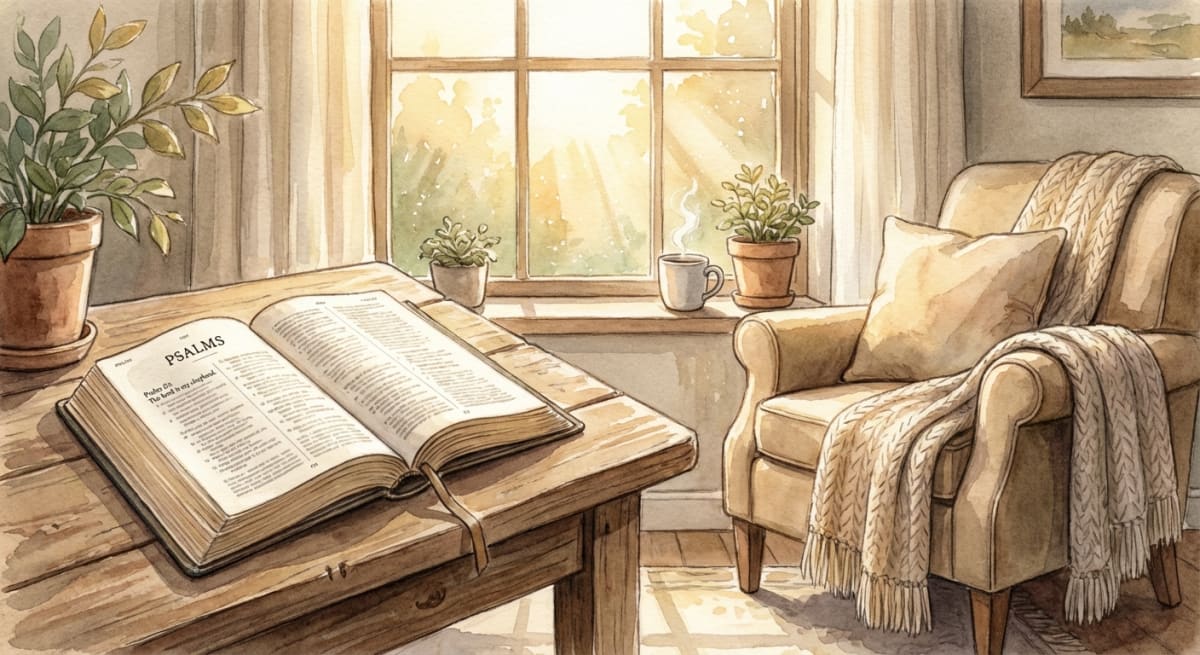
The Psalms have comforted believers for thousands of years through every human experience—grief, joy, fear, gratitude, anger, and hope. They're meant to be felt, not just read. And the good news? There's no single "correct" way to read them. This guide will help you find an approach that works for you.
What Are the Psalms?
Think of the book of Psalms as the Bible's ancient songbook and prayer journal rolled into one. These 150 poems were written over roughly 1,000 years by multiple authors, including King David (who wrote about half of them), Solomon, Moses, and others.
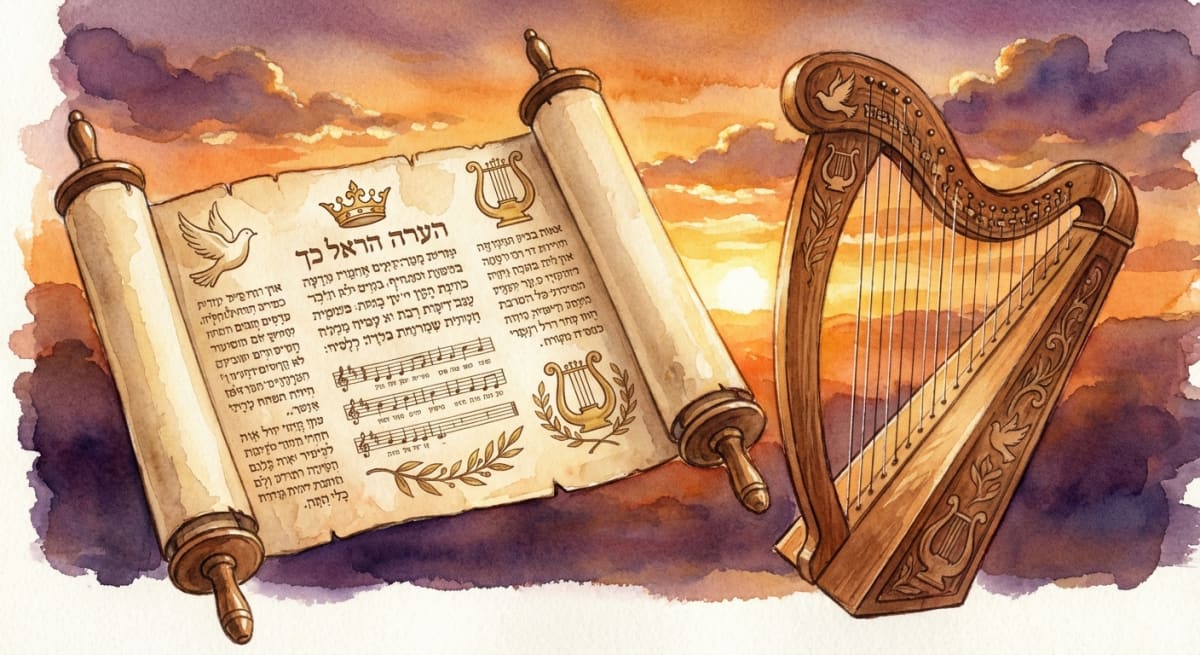
Originally, Psalms were meant to be sung aloud in worship—accompanied by instruments like harps and lyres. That's why understanding Psalms starts with recognizing they're different from other Bible books. They're not telling a story or giving instructions. They're expressing raw human emotion directly to God.
When you're reading Psalms daily, you're joining a conversation that stretches back millennia. You're praying the same words that Jesus himself prayed.
Why Psalms Can Feel Overwhelming
If you've struggled to connect with Psalms, there are some very understandable reasons:
No narrative thread. Unlike Genesis or the Gospels, there's no plot carrying you forward. Each psalm stands alone, which can feel disorienting.
150 chapters! It's one of the longest books in the Bible. Where do you even start?
Shifting emotions. One psalm praises God joyfully; the next cries out in despair. The emotional whiplash can be jarring.
Ancient cultural references. Talk of enemies, warfare, and temple rituals can feel distant from modern life.
Poetry, not prose. The figurative language takes more effort to understand than straightforward teaching.
Here's what helps: give yourself permission to approach Psalms differently than other Bible books. You don't have to read straight through from Psalm 1 to 150. You can skip around. You can sit with one psalm for a whole week. The Psalms for beginners approach is simply to start wherever feels right.
The 5 Types of Psalms (Understanding Psalms Made Simple)
One of the best ways to unlock the Psalms is understanding that they fall into different categories. Once you recognize the type, you'll know how to read it:
1. Praise Psalms
These celebrate who God is—His power, majesty, and goodness. They're full of joy and wonder.
Examples: Psalm 8, 19, 100, 145, 150
How to read: Let these lift your heart. Read them aloud. Let them become your own words of praise.
2. Lament Psalms
These are prayers of complaint, grief, or distress. They're honest about pain and often end with trust in God despite circumstances.
Examples: Psalm 13, 22, 42, 88
How to read: These validate your struggles. When life is hard, these psalms give you words when you have none.
3. Thanksgiving Psalms
Written after God has answered prayer or rescued the writer. They look back with gratitude.
Examples: Psalm 30, 34, 116, 118
How to read: Use these to cultivate gratitude. They're perfect after answered prayer.
4. Wisdom Psalms
These reflect on life, choices, and what it means to follow God. They share themes with Proverbs.
Examples: Psalm 1, 37, 49, 73, 119
How to read: Meditate slowly. These are meant to be pondered, not rushed.
5. Royal Psalms
Focus on the king—originally Israel's king, but Christians see them pointing to Jesus the Messiah.
Examples: Psalm 2, 45, 72, 110
How to read: Consider how these connect to Jesus and God's eternal kingdom.
Knowing the type helps you understand a psalm's purpose. A lament isn't supposed to leave you cheerful—it's supposed to meet you in your pain. A praise psalm isn't meant for deep theological analysis—it's meant to be sung!
3 Ways to Approach Your Psalms Reading Plan
There's no single "right" way to read through Psalms. Here are three popular approaches:
Sequential Reading
Simply start at Psalm 1 and read one or more psalms each day until you reach 150.
Best for: Those who like structure and completion. If you're already following a Bible reading plan, many include Psalms alongside other books.
Tip: At one psalm per day, you'll finish in five months. Some reading plans spread Psalms across the whole year.
Topical Reading
Choose psalms based on what you're experiencing or feeling. Anxious? Read Psalm 23 or 46. Grateful? Try Psalm 100 or 103.
Best for: Those who want Psalms to speak directly to their current situation. This is a great psalms for hard times approach.
Tip: Keep a list of psalms for different moods—you'll return to it again and again.
Daily Rotation (Psalms by Day of Month)
Read five psalms each day by adding 30 to your starting psalm. On day 1: read Psalms 1, 31, 61, 91, 121. On day 2: Psalms 2, 32, 62, 92, 122. And so on.
Best for: Those who want variety and a sustainable rhythm. You'll read all 150 psalms every month!
Tip: This method was popularized by many devotional traditions and gives you a mix of psalm types each day.
Where to Start Reading Psalms (For Beginners)
If you're new to Psalms, these are wonderful entry points:
Psalm 1 — The Gateway Psalm
This short psalm introduces the entire collection. It contrasts two paths: the way of the righteous and the way of the wicked. It's accessible, clear, and sets the tone for everything that follows.
Psalm 23 — The Shepherd Psalm
Perhaps the most beloved chapter in the entire Bible. "The Lord is my shepherd; I shall not want." Even if you're unfamiliar with Scripture, you've probably heard these words. Let them wash over you.
Psalm 139 — The "God Knows Me" Psalm
This deeply personal psalm celebrates how intimately God knows you. It's comforting, beautiful, and reminds you that you're never alone.
Psalm 100 — The Joy Psalm
Only five verses, but packed with gladness. This is a perfect psalm to start your day.
Psalm 51 — The Repentance Psalm
Written by David after his greatest failure. If you need to come to God with confession, this psalm gives you the words.
If you're also wondering where to start reading the Bible more broadly, many people recommend starting with a Gospel alongside Psalms.
How to Pray the Psalms (Not Just Read Them)
Here's a secret that transforms Psalm reading: these were written as prayers. You're meant to pray them, not just read them.
Read Aloud
The Psalms were sung. Reading aloud connects you to that original intent. Don't worry about anyone hearing you—let the words fill the room.
Make Them Your Own
When a psalm says "I will praise you, Lord," let those become your words. When it says "my enemies surround me," think of your own struggles. Personalize the language.
Pause and Reflect
Don't rush through. When a phrase strikes you, stop. Sit with it. Ask God what He's saying through those words.
Respond Honestly
If a psalm expresses something you don't feel, it's okay to tell God that. "I don't feel like praising you today, but I want to." Honesty is always welcome.
Use Them Throughout the Day
Many believers memorize short psalms or verses to carry with them. Psalm 46:10, "Be still, and know that I am God," becomes a breath prayer in stressful moments.
Learning how to read the Bible devotionally—slowly, prayerfully, personally—applies especially to Psalms.
Psalms for Specific Situations
One of the beautiful things about Psalms is having words for every season of life. Here are some suggestions:
Psalms for Anxiety and Fear
- Psalm 23 — "Even though I walk through the valley of the shadow of death, I will fear no evil"
- Psalm 46 — "God is our refuge and strength, a very present help in trouble"
- Psalm 91 — "He who dwells in the shelter of the Most High will abide in the shadow of the Almighty"
- Psalm 121 — "My help comes from the Lord, who made heaven and earth"
Psalms for Gratitude
- Psalm 100 — "Enter his gates with thanksgiving"
- Psalm 103 — "Bless the Lord, O my soul, and forget not all his benefits"
- Psalm 136 — "His steadfast love endures forever" (repeated 26 times!)
Psalms for Grief and Hard Times
- Psalm 13 — "How long, O Lord? Will you forget me forever?"
- Psalm 42 — "Why are you cast down, O my soul?"
- Psalm 88 — The darkest psalm, for when hope feels impossible
- Psalm 130 — "Out of the depths I cry to you, O Lord"
Psalms for Morning
- Psalm 5 — "In the morning, O Lord, you hear my voice"
- Psalm 63 — "O God, you are my God; earnestly I seek you"
Psalms for Evening
- Psalm 4 — "In peace I will both lie down and sleep"
- Psalm 134 — A short blessing for night
Keep this list handy! When you're unsure what to read, matching a psalm to your emotional state makes daily psalms reading immediately relevant.
Start Your Psalms Journey Today
The book of Psalms is waiting to become one of the most meaningful parts of your spiritual life. Whether you're navigating a difficult season, wanting to deepen your prayer life, or simply curious about this ancient collection, there's a psalm ready to meet you.
You don't need to understand everything at once. You don't need to read them in order. You just need to start.
Consider trying a daily Bible reading plan that includes Psalms as part of your regular rhythm. BibleMate's free reading plan incorporates passages from Psalms alongside Old and New Testament readings—giving you variety and balance each day.
The Psalms have walked alongside believers through every joy and sorrow for over 3,000 years. Let them walk alongside you too.
Frequently Asked Questions
How long does it take to read through all 150 Psalms?
At a pace of one psalm per day, you'll complete all 150 Psalms in about five months. If you use the daily rotation method (five psalms per day), you can read through the entire book every month. There's no rush—it's better to read slowly and connect with the words than to speed through.
Should I read Psalms in order or skip around?
Either approach works well! Unlike narrative books, Psalms don't tell a continuous story. Many people read sequentially for structure, while others jump to specific psalms based on their current needs or feelings. Experiment and see what resonates with you.
What's the best time of day to read Psalms?
Morning and evening are traditional times, as many Psalms reference both. Morning reading can set a peaceful tone for the day, while evening reading offers reflection and rest. That said, the best time is whenever you'll actually do it consistently.
Why do some Psalms seem angry or violent?
These "imprecatory psalms" express raw human emotion—anger at injustice, desire for vindication. They're honest prayers, not instructions to harm others. God welcomes our honest feelings. You can read these as expressions of grief over evil while trusting God with justice.
Can I use Psalms as prayers even if I don't feel what they express?
Absolutely! Praying words of praise when you don't feel joyful can actually lift your spirit. Praying words of lament when you're content helps you intercede for others who are suffering. The Psalms expand our emotional and spiritual vocabulary.
What Bible translation is best for reading Psalms?
Translations that prioritize readability (like NIV, NLT, or ESV) make Psalms more accessible for daily reading. The King James Version offers beautiful, poetic language that many cherish. Try a few and see which helps you connect most deeply with the text.
Related on BibleMate
Keep exploring related topics, plans, and lists.
Bible Verses About Prayer
Bible verses about prayer — how to pray, why prayer matters, and God's promises about prayer.
Psalms: Summary, Themes & Key Verses
Psalms (Old Testament, 150 chapters) — summary, major themes, author, and the most famous verses.
How to Read the Bible Daily: 15 Tips
Practical tips for building a daily Bible reading habit that actually sticks.
Get the BibleMate App
Take your Bible reading anywhere. Track progress, build streaks, and stay on plan — all from your phone.
Ready to start your Bible reading journey?
Read the entire Bible in one year with daily guidance.