How to Read the Bible Daily Without Burning Out
TL;DR
Discover how to read the Bible daily without feeling overwhelmed. Sustainable tips for consistent Scripture reading.
How to Read the Bible Daily (Without Burning Out)
You want to read God's Word every day. You've tried before—maybe even multiple times. But somewhere between day 12 and day 30, life got busy, you missed a few days, and suddenly your Bible sat untouched on the nightstand. Sound familiar?
Here's the good news: learning how to read the Bible daily isn't about willpower or being a "super Christian." It's about building a sustainable rhythm that fits your life. In this guide, we'll explore practical, guilt-free strategies to make daily Scripture reading something you actually look forward to.

Why Daily Bible Reading Matters (Without the Guilt)
Let's be clear: God's love for you doesn't depend on your reading streak. Missing a day—or a week—doesn't make you a failure. But there's something special about connecting with Scripture regularly.
Daily Bible reading helps you:
- Stay grounded when life feels chaotic
- Grow gradually in understanding over time
- Build a relationship with God through His Word
- Find encouragement exactly when you need it
Think of it less like homework and more like a daily conversation with someone who loves you. The goal isn't perfection—it's connection.
How to Read the Bible Daily: Finding Your Best Time
One of the biggest obstacles to consistent reading is timing. Many people try to read first thing in the morning because that's what they've heard works best. But here's the truth: the best time is the time that actually works for you.
Morning Reading
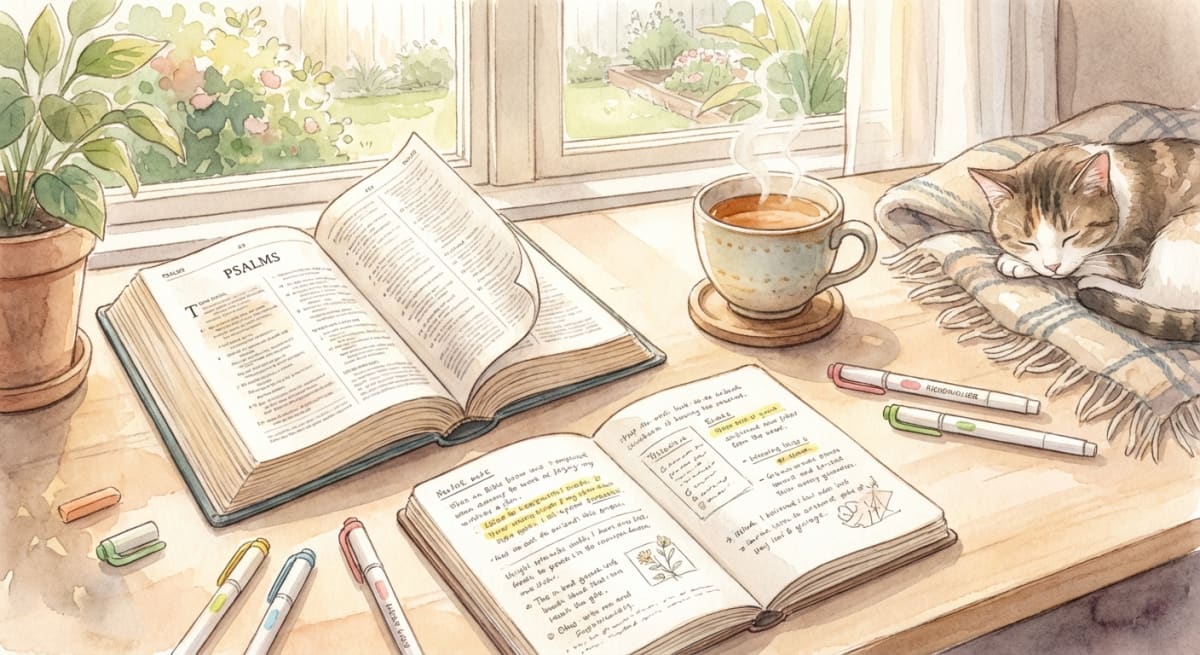
If you're a morning person, reading before the day begins can set a peaceful tone. Many find that early quiet moments, perhaps with a cup of coffee, create the perfect space for reflection. Check out our morning devotional guide for tips on starting your day with Scripture.
Lunchtime Reset
Some people find midday works better. A 15-minute lunch break spent reading Scripture can provide a much-needed mental reset between morning and afternoon demands.
Evening Wind-Down
Night owls often prefer reading before bed. It can be a calming way to close the day and shift focus from daily stress to eternal truths.
Pro tip: Don't force yourself into someone else's schedule. Experiment for a week at different times and notice when you feel most present and undistracted.
How Much Should You Read Each Day?
This is where many people burn out. They start with ambitious goals—five chapters a day!—and quickly feel overwhelmed. Here's a more sustainable approach:
Quality matters more than quantity. Reading one chapter thoughtfully beats rushing through ten without absorbing anything.
Some helpful benchmarks:
- Just starting out? Try one chapter or even one paragraph
- Want to read the whole Bible in a year? About 3-4 chapters daily does it
- Prefer shorter readings? A daily Bible verse or single passage works perfectly
The Bible in One Year plan at BibleMate breaks Scripture into manageable daily portions—typically 15-20 minutes of reading. It combines Old Testament, New Testament, and Psalms or Proverbs each day for variety.
If you're wondering what order to read the Bible, structured reading plans take the guesswork out entirely.
Creating a Simple Routine That Actually Sticks
Here's where we get practical. Building a lasting habit requires more than motivation—it needs a system.
1. Anchor It to an Existing Habit
Attach your reading time to something you already do daily. Examples:
- Right after your morning coffee
- During your commute (audio Bible)
- Right before brushing your teeth at night
This technique, called "habit stacking," works because your brain already has pathways for existing routines. Adding Bible reading to an established habit makes it feel natural rather than forced.
2. Keep Your Bible Accessible
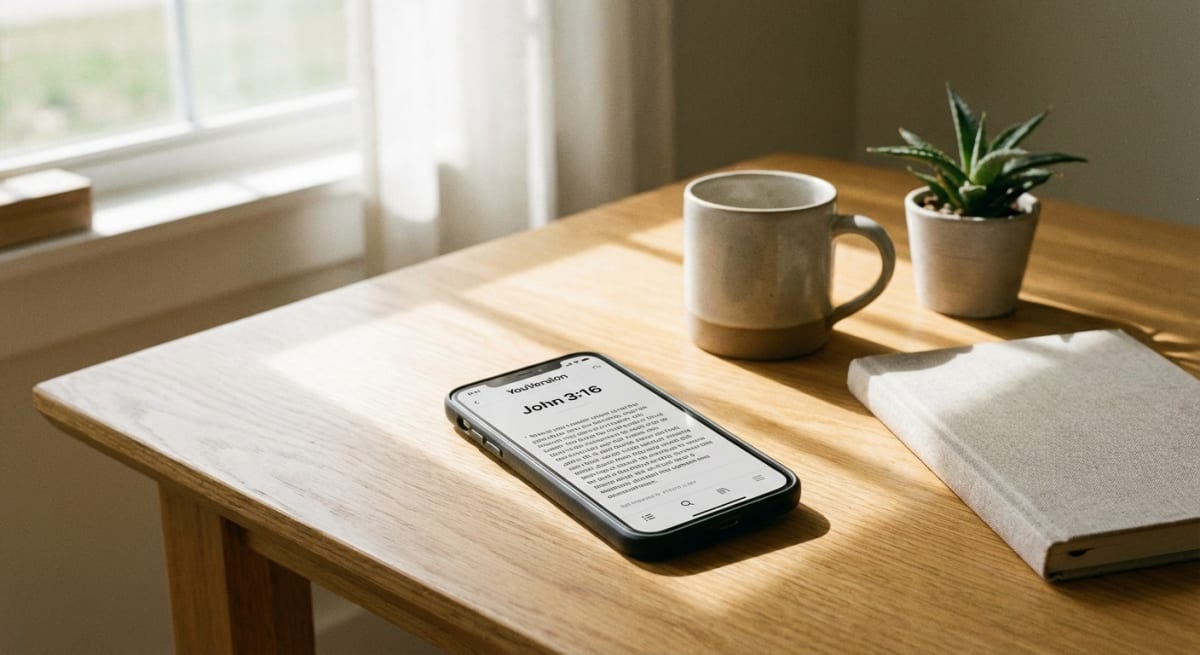
If your Bible is buried under a stack of mail, you're less likely to reach for it. Keep it visible—on your nightstand, kitchen table, or desk. Consider keeping a Bible app on your phone's home screen too, so it's always just one tap away.
3. Start Smaller Than You Think
Planning to read for 30 minutes? Start with 5. It's easier to extend a short session than to maintain an ambitious one that feels like a burden. Many people who now read for 30 minutes daily started with just a single verse.
4. Remove Friction
Bookmark your spot. Use a Bible reading schedule so you don't waste time deciding what to read. The less thinking required, the more likely you'll show up.
5. Celebrate Small Wins
Completed your first week? That's worth celebrating. Finished a whole book of the Bible? Amazing! Acknowledging progress—even small progress—reinforces the habit and keeps you motivated for the long haul.
Tools That Help You Read the Bible Effectively
The right tools can make daily reading easier and more enjoyable. Here are some options:
Bible Reading Plans
A structured plan eliminates decision fatigue. You know exactly what to read each day. Some popular options include:
- Chronological plans – Read events in the order they happened
- Cover-to-cover plans – Genesis to Revelation
- Thematic plans – Focus on specific topics or books
For beginners, a Bible reading plan for beginners provides a gentle starting point.
Bible Apps
Digital tools offer convenience—especially for reading on the go. Look for apps that:
- Track your progress automatically
- Send gentle reminders
- Let you pick your preferred translation
BibleMate offers all of this completely free—no account required, no ads, no premium tier. Your progress saves automatically in your browser.
Journaling
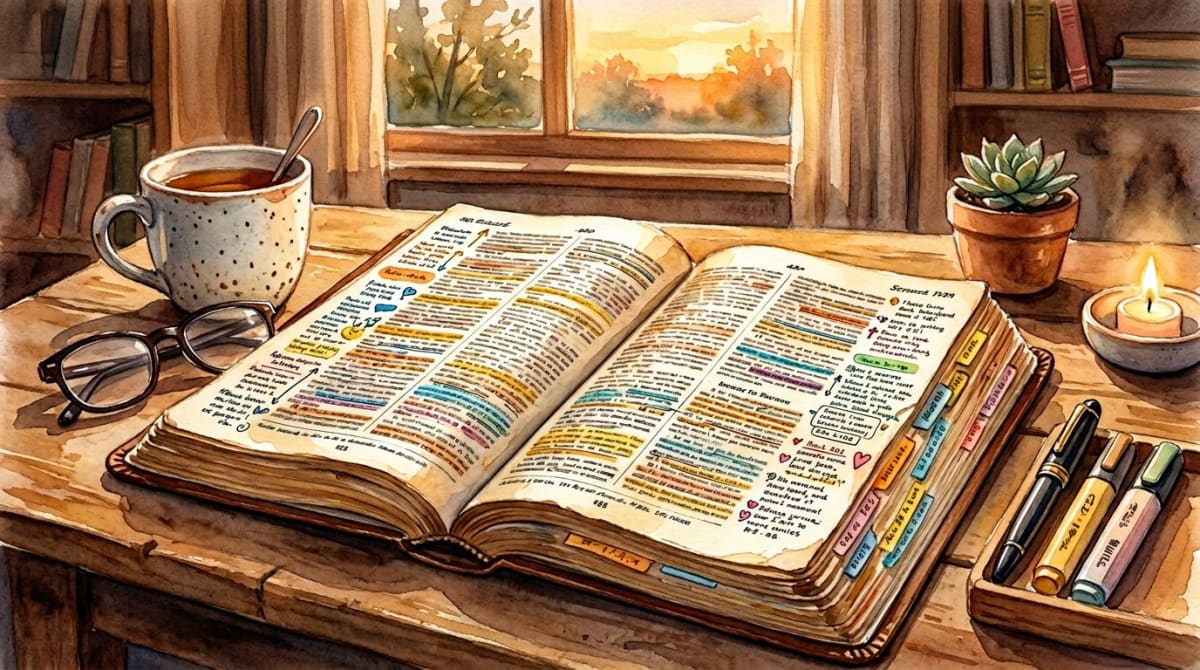
Writing down thoughts, questions, or prayers as you read deepens engagement. Even a few sentences can help Scripture sink in. Some people keep a dedicated Bible journal; others jot notes in the margins of their Bible. Find what works for you.
What to Do When You Miss a Day
Here's where many reading plans fall apart. You miss Monday, feel guilty Tuesday, skip Wednesday because you're "behind," and by Thursday the whole thing feels hopeless.
Please hear this: Missing a day is not failure.
Here's how to handle missed days with grace:
- Don't try to "catch up" all at once – This leads to rushed reading and burnout
- Just start where you are – Pick up today's reading and move forward
- Consider a flexible plan – Some apps (like BibleMate) let you mark days complete whenever you read them, no calendar pressure
- Remember why you started – This isn't about earning points; it's about knowing God better
Life happens. Kids get sick. Work gets crazy. Travel disrupts routines. The goal isn't a perfect streak—it's a lifelong practice of returning to God's Word, again and again.

Making Your Daily Bible Reading Sustainable
The Christians who read Scripture consistently for years aren't necessarily more disciplined—they've simply found a rhythm that fits their lives. Here's what that looks like:
- Realistic expectations – Some days are 20 minutes; some are 2 minutes
- Self-compassion – Treating missed days as normal, not catastrophic
- Enjoyment – Finding translations and formats that make reading pleasant
- Community – Sometimes reading with a friend or group adds accountability
If you're ready to begin a sustainable reading journey, explore our one year Bible plan or start fresh with our free reading tool at BibleMate. There's no signup required—just open it and start reading.
You can do this. One day at a time.
Frequently Asked Questions
How long does it take to read the Bible daily for a year?
Most one-year Bible reading plans require about 15-20 minutes of reading per day. This breaks down to roughly 3-4 chapters daily. Some days will be shorter (like Psalms), others longer (like Genesis narratives).
What is the best time of day to read the Bible?
The best time is whenever you can be most consistent and present. Morning works well for early risers, while night owls may prefer evenings. Experiment to find your optimal time rather than forcing someone else's schedule.
How do I stay motivated to read the Bible every day?
Focus on connection rather than completion. Use a reading plan to eliminate decision fatigue, keep your Bible visible and accessible, and give yourself grace when you miss days. Small, consistent steps beat ambitious sprints.
What should I do if I fall behind in my Bible reading plan?
Simply continue with today's reading rather than trying to catch up all at once. Most plans allow flexibility. Remember, the goal is relationship with God—not checking boxes.
Is reading a daily Bible verse enough?
Any amount of Scripture reading has value. A daily verse can be a wonderful starting point, especially for busy seasons or those new to Bible reading. As the habit becomes more natural, you may find yourself wanting to read more.
What's the easiest Bible reading plan for beginners?
Plans that mix shorter and longer passages—like those combining Psalms/Proverbs with other books—tend to feel more accessible. The BibleMate one-year plan balances Old Testament, New Testament, and Wisdom literature each day to keep reading varied and engaging.
Related on BibleMate
Keep exploring related topics, plans, and lists.
Get the BibleMate App
Take your Bible reading anywhere. Track progress, build streaks, and stay on plan — all from your phone.
Ready to start your Bible reading journey?
Read the entire Bible in one year with daily guidance.